
Airfreight Surcharge Adjustment:
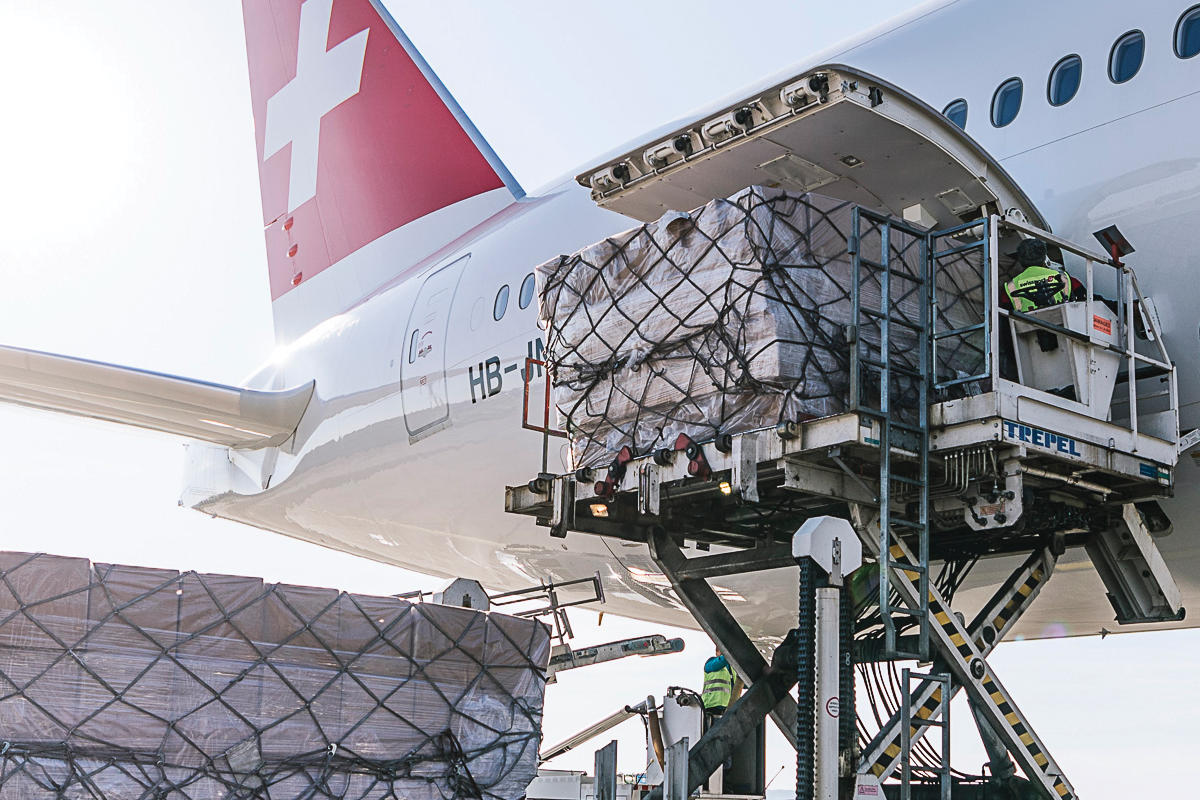
Both Lufthansa Cargo and Swiss WorldCargo have managed the ASC since 2015, initially covering costs such as fuel and currency fluctuations. With new SAF mandates from the EU and other regions, the inclusion of SAF-related costs in the surcharge ensures airlines remain compliant while maintaining profitability. The ASC system relies on a standardized index calculation, enabling flexible and fair cost adjustments based on market conditions. These adjustments help offset the financial burden of SAF, which remains significantly more expensive than conventional jet fuel.
Business Impact:
The inclusion of SAF costs in the ASC is an important step for airlines facing growing financial pressure from sustainability requirements. The cost of SAF is 3-5 times higher than fossil fuels, and the limited global supply presents a major challenge for airlines. Lufthansa Cargo and Swiss WorldCargo are aligning their pricing strategies to reflect this reality while continuing to offer efficient, sustainable logistics services to their clients.
Both companies acknowledge that political support is needed to create a competitive SAF market that can meet regulatory targets. The surcharge ensures that airfreight services remain viable without sacrificing the airlines’ climate goals, which include achieving carbon neutrality by 2050.
Company Statements on Business Strategy:
Lufthansa Cargo and Swiss WorldCargo are heavily investing in SAF to meet their long-term goals of reducing CO2 emissions by 50% by 2030. These business strategies involve upgrading fleets and optimizing flight operations to complement SAF usage. The introduction of SAF costs in the ASC is part of a broader business strategy to manage the financial impact of sustainability while maintaining a competitive edge in the airfreight market.
“The inclusion of SAF costs in the ASC reflects the evolving business landscape where regulatory mandates drive cost increases, and airlines must adapt to maintain operational efficiency.”
About Lufthansa Cargo and Swiss WorldCargo:
Lufthansa Cargo and Swiss WorldCargo are industry leaders in the global airfreight sector, offering premium services for time-critical shipments. Both companies are actively pursuing sustainability through investments in SAF and modernized fleets, positioning themselves as key players in the transition to greener logistics. Lufthansa Cargo has a wide-reaching global network, while Swiss WorldCargo operates as part of Swiss International Air Lines, serving high-value clients worldwide.


